Walk into any print shop, drugstore kiosk, or online printing service, and you’ll see the word “archival” everywhere. Archival paper. Archival ink. Archival quality, guaranteed. It’s become one of those words that gets used so often it’s nearly stopped meaning anything.
So let’s actually answer it: what does archival really mean? And more importantly — if you’re commissioning a portrait meant to represent your family for generations, how do you know if a print will actually last, or just claims to?
The Problem With Most “Archival” Prints
Most photographs — even good ones, even expensive ones — are quietly built to fade. Not because anyone’s being dishonest, but because most consumer and even professional printing is optimized for looking great today, not for looking great in fifty or hundred years. Dye-based inks shift color within a decade. Standard photo paper yellows. UV exposure breaks down pigment slowly, invisibly, until one day the photograph you loved most looks a little flat, a little off, and you can’t quite say when it happened.
True archival permanence isn’t a marketing claim. It’s a measurable, testable thing — usually assessed by accelerated aging tests that estimate how long a print will hold its color and structure under normal display conditions, often expressed in decades or centuries. And it depends entirely on two things: the medium the image is printed with, and the material it’s printed on.
Archival Printing, the Digital Way: Pigment Ink
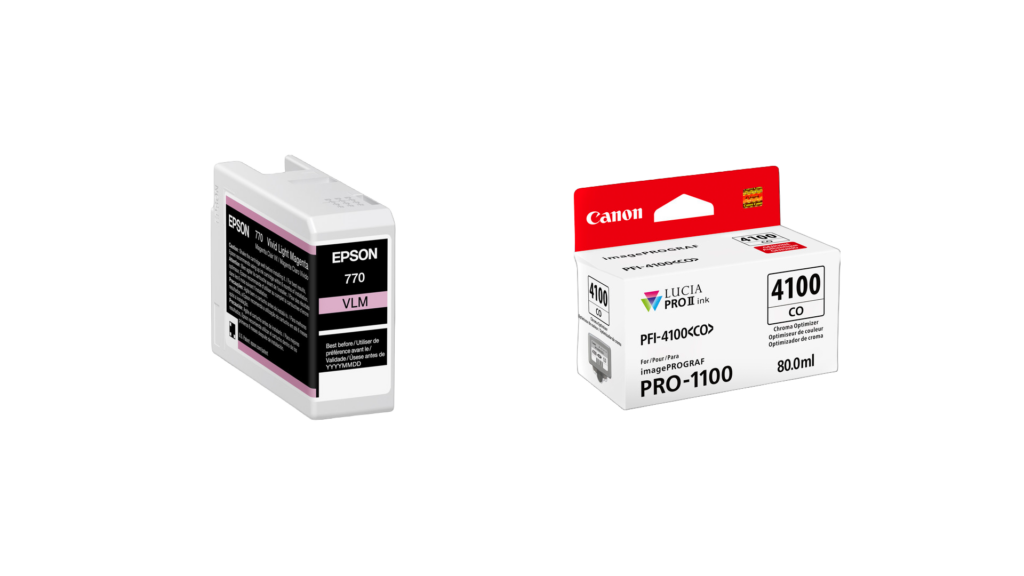
The most reliable form of archival digital printing uses pigment-based inks, not dye-based ones. This is a real, meaningful distinction — dye-based ink is made from liquid dye that is absorbed into the paper fibers. It holds a lot of color but can be more susceptible to fading and smudging than pigment ink. Pigment based ink is made from solid pigment particles that bond with the paper fibers. Pigment inks are made of tiny, stable color particles that resist fading dramatically longer — we’re talking well over a hundred years under proper display conditions, versus a decade or two for dye prints.
Paired with cotton rag paper — acid-free, archival-grade paper without the wood pulp and chemical fillers that cause standard paper to yellow — pigment printing becomes what galleries and museums actually use for exhibition prints. This is sometimes called giclée printing, though that term has gotten a little muddied by overuse too.
The honest summary: if a digital print isn’t pigment ink on acid-free paper, it’s not truly archival, no matter what the label says.
Archival Printing, the Analog Way: Platinum, Palladium, and Carbon
Here’s where things get genuinely fascinating, and where my own work lives most of the time.
Platinum Palladium printing is a process that predates modern photography’s obsession with ink altogether. Instead of laying color on top of the paper, platinum and palladium — actual metals — are embedded directly into the fibers of the paper itself through a hand-coating and light-exposure process, developed in the 1870s and still, by most measures, the single most stable photographic printing process ever created. There’s no ink to fade because there’s no ink at all. The image is the paper, chemically speaking. Properly processed platinum prints from the 19th century still exist today in full tonal richness — that’s not marketing language, that’s just what’s sitting in museum archives.
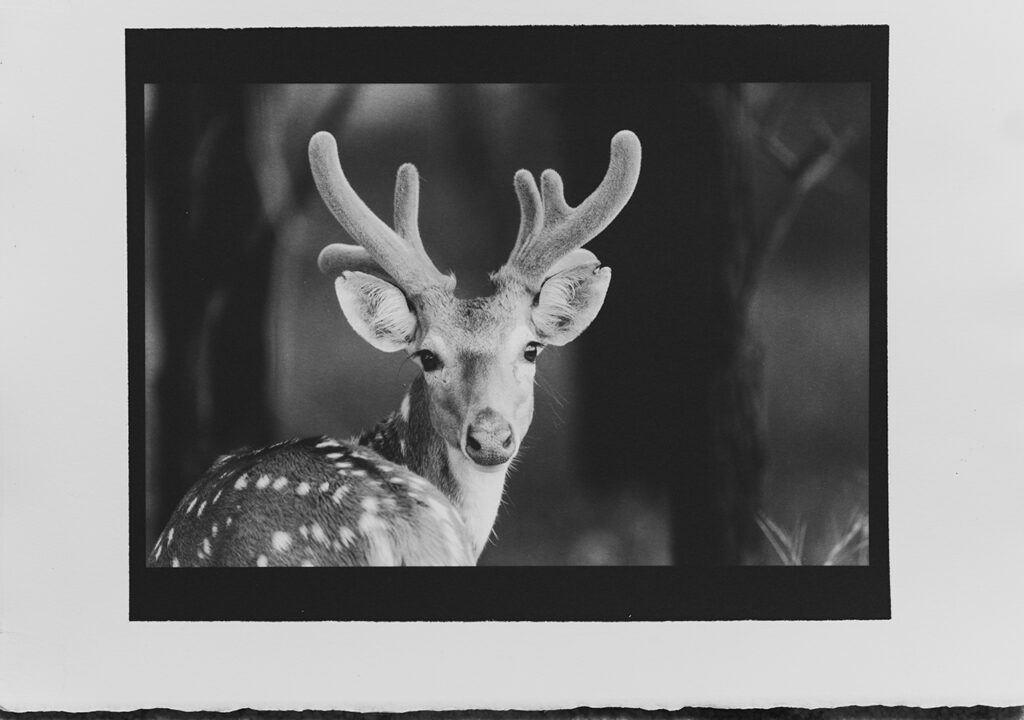
Carbon transfer printing works on a similar principle — pigment suspended in gelatin, transferred and bonded into the paper — and is prized for the same reason: exceptional stability, plus a depth of tone that’s genuinely difficult to replicate any other way.
Both processes are slow, entirely hand-done, and produce black-and-white images (platinum/palladium) or rich monochrome and limited color tones (carbon). They’re not for every photograph. But for the right image, there’s a texture and tonal depth to these prints that feels less like a photo and more like an object — because, chemically, that’s closer to what it actually is.
So Which One Is “More” Archival — Digital or Analog?
Honestly? Done correctly, both are extraordinarily long-lasting. Archival pigment printing on cotton rag paper and platinum/palladium/carbon transfer printing are all considered museum-grade, multi-generational processes. The real difference isn’t longevity — it’s character.
Archival pigment printing gives you full color, exceptional fine detail, and a clean, contemporary finish. Platinum, palladium, and carbon give you a depth, texture, and tonal quality that’s genuinely unique to those processes — but they’re black-and-white or limited-tone only, and they’re slower and more involved to produce.
Neither is “better.” The right choice depends on the photograph, the mood you’re after, and where it’s going to hang.
What This Means If You’re Commissioning a Portrait
If you’re having a portrait made that’s meant to last — to actually be handed down, not just displayed for a few years — this is the question worth asking before anything else: what is this actually printed with, and on what?
Not “is it archival,” because everyone will say yes. Ask what ink or process, and what paper. If a studio or printer can’t answer that specifically, that’s worth paying attention to.
This is really the whole idea behind Posterity Portraiture. Every portrait we produce is printed using one of these genuinely archival processes — pigment ink on cotton rag for full-color, contemporary work, or platinum palladium and carbon transfer for black-and-white pieces with that unmistakable depth. The process is chosen deliberately for each image, not defaulted to whatever’s fastest or cheapest.
Because a portrait meant to represent your family for generations deserves more than a word on a label. It deserves an answer. If you’re ready to start that conversation, explore legacy portrait commissions in Austin and see how the process comes together —from first consultation to the archival print on your wall.


